Are Aluminum Windows Better Than Vinyl?
- Zhongya Windows
- 11 Jun ,2026
Choosing between aluminum and vinyl windows can be difficult. Both materials are widely used, yet each offers different benefits in terms of durability, appearance, insulation, and long-term value.
Aluminum windows are generally better for strength, durability, slim designs, and large glass openings, while vinyl windows often provide better thermal insulation at a lower initial cost. The best choice depends on climate, budget, design goals, and long-term performance requirements.
Many homeowners, builders, and commercial property developers compare these two materials before making a purchase decision. Understanding their differences helps avoid costly mistakes and ensures the windows match the project’s needs.
What Advantages Do Aluminum Windows Offer?
Many window buyers focus only on price and overlook performance factors that affect a building for decades. Window frames play a major role in durability, appearance, and maintenance requirements.
Aluminum windows offer superior strength, modern aesthetics, corrosion resistance, low maintenance, and the ability to support larger glass panels than vinyl windows. These advantages make aluminum a popular choice for residential and commercial projects.
Aluminum has become one of the most widely used materials in modern architecture. Its unique combination of strength and lightweight construction allows designers to create sleek window systems that are difficult to achieve with other materials.
Superior Structural Strength
One of aluminum’s biggest advantages is its strength.
Because aluminum is much stronger than vinyl, manufacturers can produce thinner frame profiles while maintaining structural integrity.
Benefits include:
- Larger window openings
- Better support for heavy glass
- Improved wind resistance
- Reduced frame bulk
This strength becomes especially important in commercial buildings and luxury homes that feature large glass walls.
Slim and Modern Appearance
Modern architecture often emphasizes clean lines and open spaces.
Aluminum frames help achieve this look because they require less visible material around the glass.
Advantages include:
- More natural light
- Wider outdoor views
- Contemporary design appeal
- Enhanced property appearance
Many architects prefer aluminum specifically because of its sleek profile.
Low Maintenance Requirements
Unlike wood, aluminum does not require frequent painting or sealing.
Routine maintenance usually involves:
- Washing dirt from the frame
- Checking seals periodically
- Cleaning drainage channels
This simplicity appeals to both homeowners and commercial property managers.
Corrosion Resistance
Modern aluminum window systems are typically protected by:
- Powder coating
- Anodizing
- Protective surface treatments
These finishes help resist corrosion and weather-related wear.
Key Aluminum Benefits
| Feature | Aluminum Advantage |
|---|---|
| Strength | Excellent |
| Large glass support | Excellent |
| Appearance | Premium |
| Maintenance | Low |
| Weather resistance | High |
These characteristics explain why aluminum remains a leading choice in many high-performance building projects.
How Do Vinyl Windows Compare in Insulation?
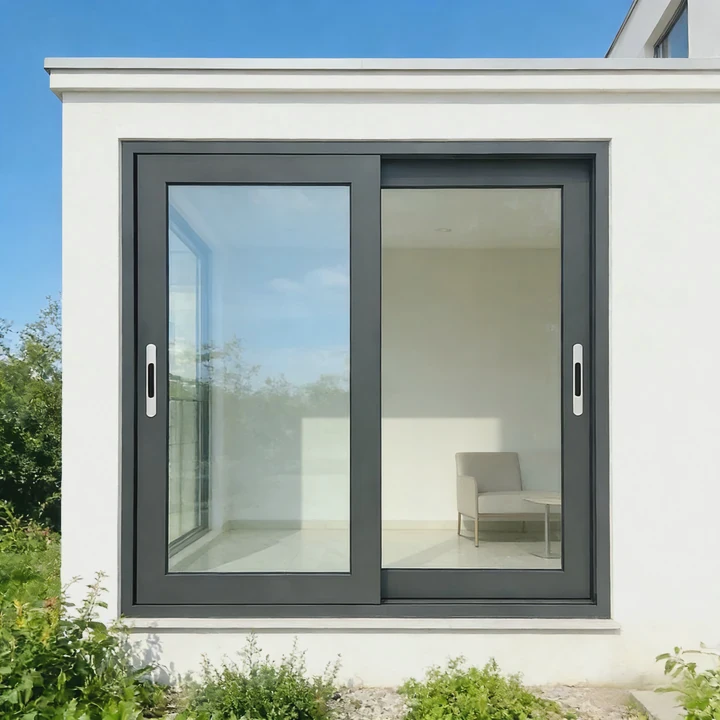
Energy efficiency is often one of the first concerns homeowners raise when selecting windows. Heating and cooling costs can be heavily influenced by frame performance.
Vinyl windows generally provide better natural insulation than standard aluminum windows because vinyl transfers heat less efficiently. However, modern thermally broken aluminum systems can significantly reduce this difference.
Vinyl, also known as uPVC, has become popular largely because of its thermal properties.
Why Vinyl Insulates Well
Vinyl is naturally a poor conductor of heat.
This means heat moves through vinyl frames more slowly than through untreated aluminum.
As a result, vinyl windows often deliver:
- Better thermal performance
- Lower heat transfer
- Improved indoor comfort
- Reduced energy loss
This advantage has made vinyl a common choice in residential construction.
The Role of Thermal Break Technology
Older aluminum windows developed a reputation for poor insulation.
Modern systems have changed dramatically.
Today’s premium aluminum windows often include thermal breaks.
A thermal break creates a barrier between the inside and outside portions of the frame.
Benefits include:
- Reduced heat transfer
- Improved efficiency
- Lower condensation risk
- Better comfort levels
Glass Matters More Than Many People Realize
Frame material is only one part of the insulation equation.
Other important factors include:
- Double glazing
- Triple glazing
- Low-E coatings
- Gas-filled glass units
- Quality weather seals
In many cases, glass performance has a larger impact on energy efficiency than frame material alone.
Thermal Performance Comparison
| Factor | Aluminum | Vinyl |
|---|---|---|
| Natural insulation | Moderate | Excellent |
| Thermal break capability | Excellent | Not required |
| Energy efficiency | High with thermal break | High |
| Condensation resistance | High with thermal break | High |
| Large window capability | Excellent | Moderate |
The gap between aluminum and vinyl insulation has become much smaller thanks to advances in window technology.
Climate Considerations
Climate often influences the best choice.
Cold climates may favor:
- High-performance vinyl systems
- Thermally broken aluminum systems
Hot climates may prioritize:
- Solar heat reduction
- UV resistance
- Window glazing performance
Both materials can perform well when properly specified for local conditions.
Why Do Builders Choose Aluminum Window Systems?
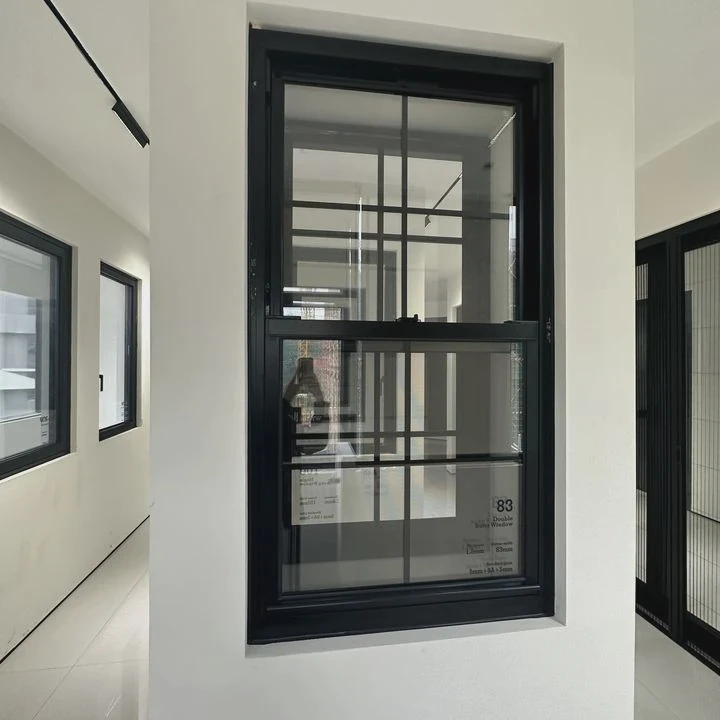
Builders must balance cost, durability, appearance, and project requirements. The material they select often affects construction efficiency and long-term customer satisfaction.
Builders choose aluminum window systems because they provide structural strength, design flexibility, long-term durability, and support for modern architectural styles that use large glass areas.
Aluminum is especially common in commercial construction and premium residential projects.
Support for Large Openings
Modern buildings increasingly use expansive glass designs.
Examples include:
- Floor-to-ceiling windows
- Curtain walls
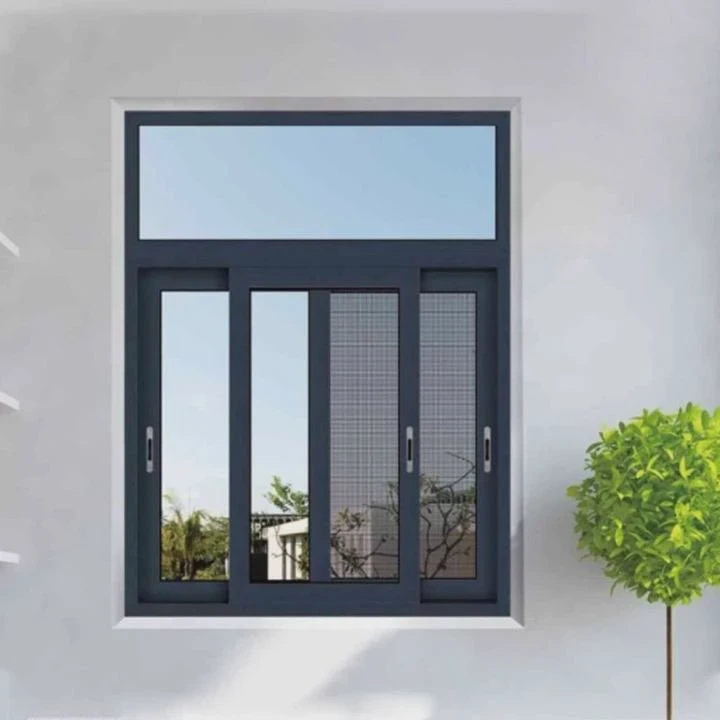
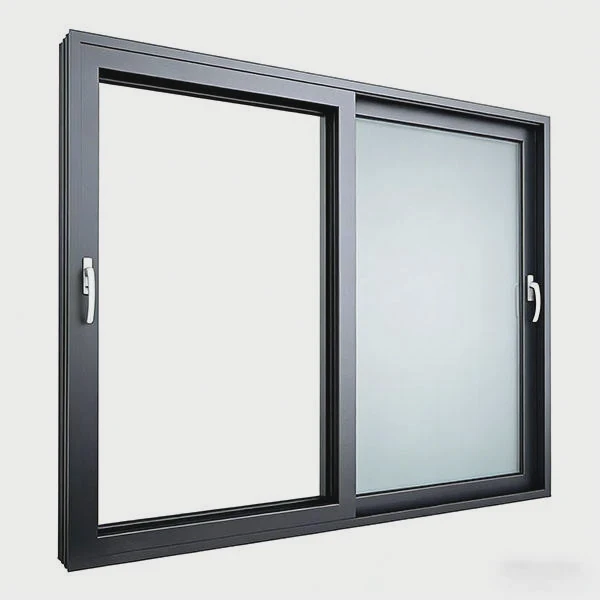
- Sliding glass systems
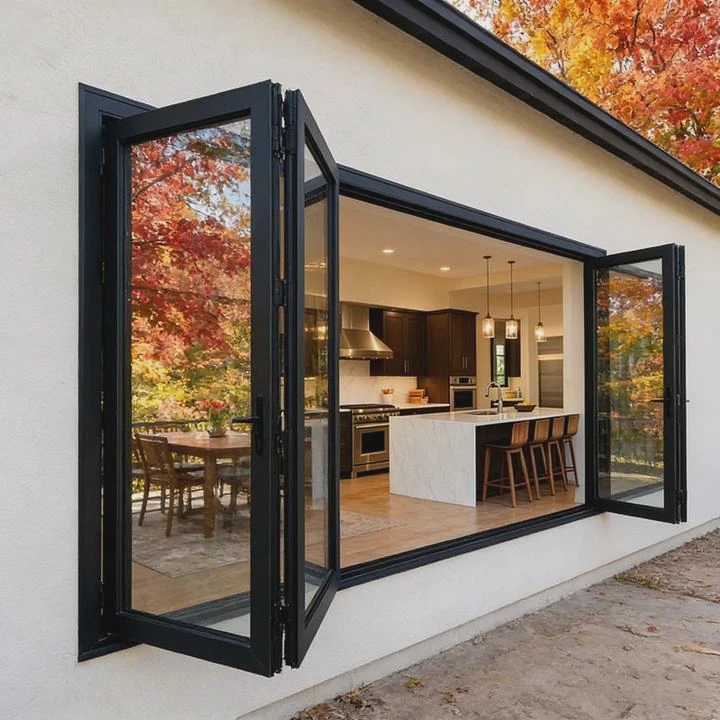
- Bi-fold doors
Aluminum can support these applications more effectively than vinyl in many situations.
Architectural Flexibility
Architects value aluminum because it can be manufactured into many configurations.
Common options include:
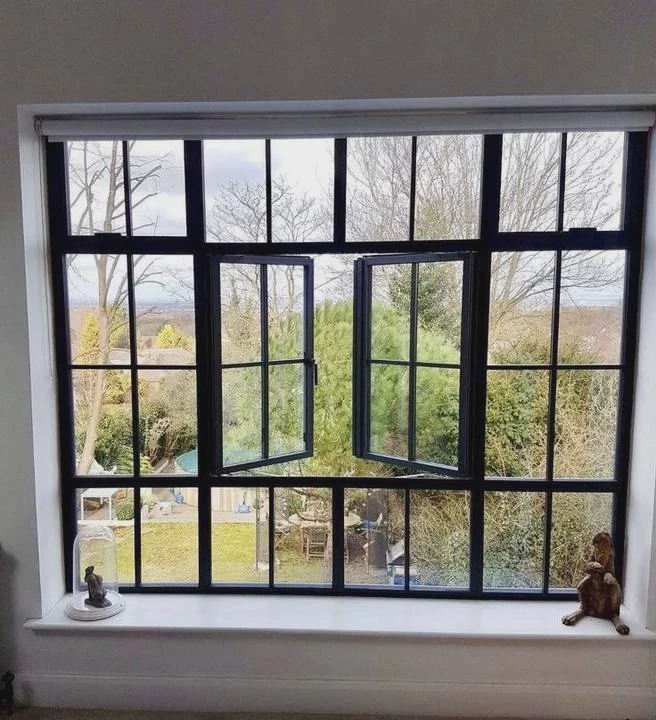
- Casement windows
- Sliding windows
- Tilt-and-turn systems
- Fixed glazing
- Custom shapes
This flexibility helps designers achieve specific visual goals.
Durability During Construction
Construction projects can expose windows to rough conditions.
Aluminum frames offer:
- Impact resistance
- Structural stability
- Resistance to warping
- Resistance to moisture damage
These characteristics reduce installation challenges and long-term maintenance concerns.
Commercial Project Requirements
Many commercial buildings require performance levels that favor aluminum.
Typical examples include:
- Office towers
- Airports
- Hotels
- Hospitals
- Educational facilities
These buildings often need stronger framing systems to support larger glass units.
Builder Priorities
| Builder Requirement | Aluminum Performance |
|---|---|
| Structural strength | Excellent |
| Large glass support | Excellent |
| Design flexibility | Excellent |
| Long-term durability | Excellent |
| Professional appearance | Excellent |
Long-Term Value
Builders often consider the total lifecycle cost of materials.
Although aluminum may cost more initially, it often provides benefits through:
- Longer lifespan
- Reduced repairs
- Lower maintenance
- Strong resale appeal
These factors contribute to its popularity among developers and architects worldwide.
Which Window Material Lasts Longer Outdoors?
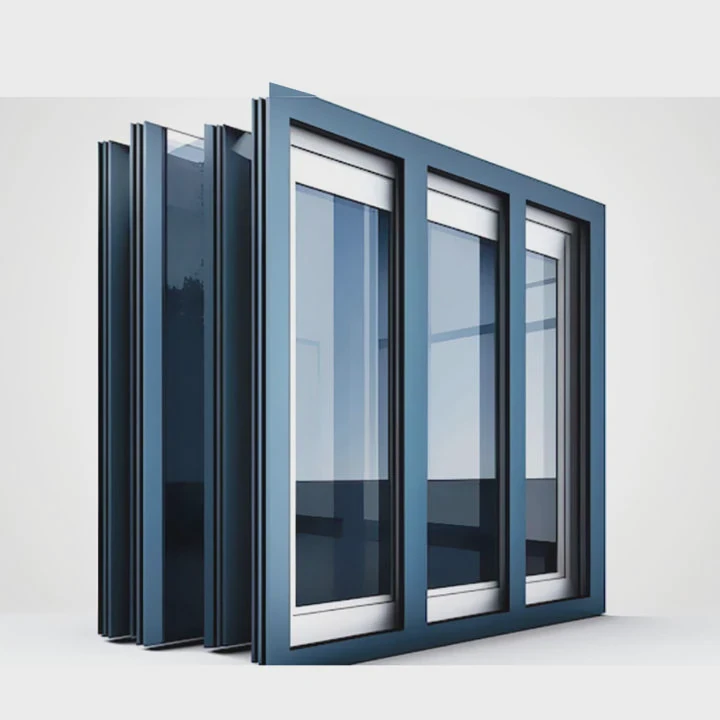
Many buyers view windows as a long-term investment. Durability becomes especially important in regions with strong sunlight, humidity, heavy rain, or coastal conditions.
Aluminum windows generally last longer outdoors than vinyl windows because they offer greater structural stability, superior resistance to UV exposure, and excellent long-term weather performance. Properly maintained aluminum windows can often exceed 40 years of service life.
Outdoor exposure places constant stress on window materials.
The ability to withstand these conditions determines long-term value.
Aluminum’s Long-Term Durability
Aluminum resists many common forms of deterioration.
It does not:
- Rot
- Crack easily
- Warp significantly
- Absorb moisture
Modern finishes further improve durability.
Many aluminum systems remain functional for decades with minimal maintenance.
Vinyl’s Outdoor Performance
Vinyl also performs well outdoors.
Advantages include:
- Moisture resistance
- Low maintenance
- Good thermal stability
However, prolonged UV exposure may gradually affect some vinyl products over time.
Potential issues include:
- Fading
- Brittleness
- Expansion and contraction
Product quality plays a major role in determining longevity.
Coastal Environment Performance
Coastal regions present special challenges.
Factors include:
- Salt exposure
- Humidity
- Strong sunlight
- Wind-driven rain
High-quality coated aluminum often performs exceptionally well in these environments.
Many waterfront hotels and commercial properties rely on aluminum systems because of their durability.
Expected Lifespan
While actual lifespan depends on maintenance and climate, general estimates include:
| Material | Typical Lifespan |
|---|---|
| Aluminum | 30–50+ years |
| Vinyl | 20–35 years |
Premium products from both categories may exceed these ranges.
Maintenance and Longevity
Regular maintenance can extend the life of either material.
Recommended tasks include:
- Cleaning frames
- Inspecting seals
- Checking drainage paths
- Repairing minor damage promptly
These simple actions help maximize window performance.
The Long-Term Perspective
A property owner once replaced aging vinyl windows in a coastal home after years of intense sun exposure. During the renovation, neighboring aluminum-framed windows installed around the same time remained structurally sound and visually attractive.
While every project is different, this experience reflects why many professionals consider aluminum one of the most durable window materials available.
For buyers seeking maximum lifespan and structural reliability, aluminum often provides the strongest long-term solution.
Conclusion
Aluminum and vinyl windows both offer valuable benefits, but they excel in different areas. Aluminum stands out for strength, durability, modern aesthetics, and long service life, while vinyl offers strong insulation and lower upfront costs. For large openings, premium designs, and long-term outdoor performance, aluminum is often the preferred choice, while vinyl remains an excellent option for budget-conscious energy-efficient projects. “`
- Pre How to Paint Aluminum Window Frames?
- Next: Sorry!