How to Paint Aluminum Window Frames?
- Zhongya Windows
- 11 Jun ,2026
Old aluminum window frames can make a property look dated, even when the windows are still structurally sound. Many people wonder if painting aluminum is worth the effort or if the finish will simply peel away after a short time.
Yes, aluminum window frames can be painted successfully when they are properly cleaned, sanded, primed, and coated with the right paint. Surface preparation and primer selection are the most important factors for achieving a durable and professional-looking finish.
Painting aluminum window frames is one of the most cost-effective ways to refresh the appearance of a home, office, or commercial building. The process is straightforward, but skipping important preparation steps often leads to poor results. Understanding how aluminum behaves and which products work best can help create a finish that lasts for years.
Many people assume aluminum cannot hold paint because of its smooth surface. In reality, modern primers and coatings allow excellent adhesion when applied correctly. The key is following the right process from start to finish.
What Preparation Is Required Before Painting Aluminum?
Many paint failures happen long before the first coat is applied. Dirt, oxidation, and grease can prevent proper adhesion and cause peeling within months.
Before painting aluminum window frames, the surface should be cleaned thoroughly, oxidation removed, glossy areas lightly sanded, and any damage repaired. Proper preparation creates a stable surface that allows primer and paint to bond effectively.
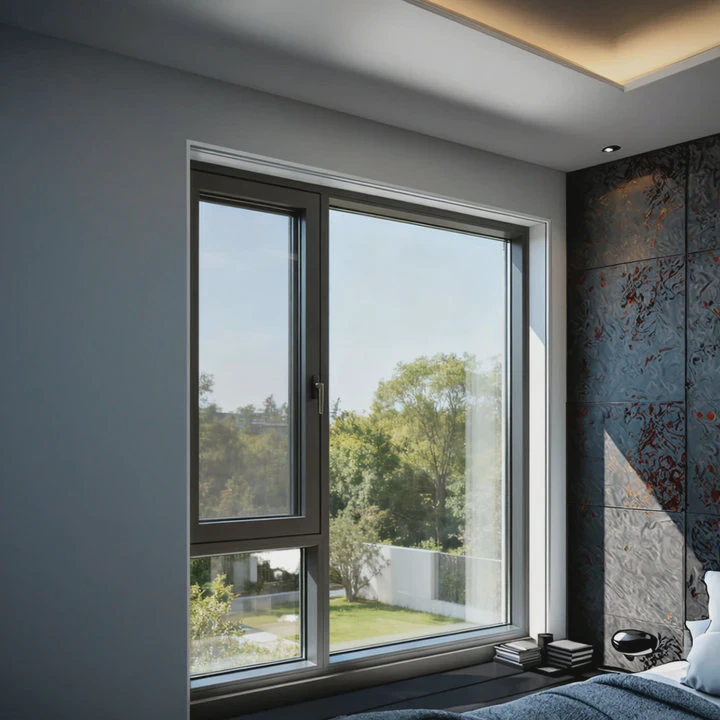
Preparation is the foundation of every successful aluminum painting project. Even the highest-quality paint cannot compensate for a poorly prepared surface.
Clean the Surface Thoroughly
Aluminum frames often collect years of dirt and contaminants.
Common surface contaminants include:
- Dust
- Grease
- Oil residue
- Pollution deposits
- Mold and mildew
Start by washing the frames with warm water and a mild detergent.
For stubborn grease, a degreasing cleaner may be necessary.
After cleaning, rinse thoroughly and allow the frame to dry completely.
Remove Oxidation
Unlike steel, aluminum does not rust. However, it develops oxidation on the surface.
Oxidation often appears as:
- White powdery residue
- Dull patches
- Chalky deposits
Removing oxidation is important because paint cannot bond well to loose surface material.
A nylon brush or fine abrasive pad usually works well for this step.
Sand the Surface Lightly
Aluminum frames often have smooth factory finishes.
Light sanding helps create microscopic scratches that improve paint adhesion.
Recommended abrasives include:
- Fine-grit sandpaper (180–220 grit)
- Fine sanding sponges
- Non-woven abrasive pads
The goal is not to remove the entire finish. The objective is simply to create a slightly roughened surface.
Repair Minor Damage
Before painting, inspect the frame carefully.
Look for:
- Small dents
- Scratches
- Loose hardware
- Sealant damage
Addressing these issues before painting helps improve the final appearance.
Protect Surrounding Areas
Paint overspray and drips can create unnecessary cleanup work.
Protect nearby surfaces using:
- Painter’s tape
- Plastic sheeting
- Drop cloths
Pay special attention to:
- Glass
- Walls
- Flooring
- Exterior cladding
Surface Preparation Checklist
| Preparation Step | Purpose |
|---|---|
| Cleaning | Removes contaminants |
| Oxidation removal | Improves adhesion |
| Sanding | Creates bonding surface |
| Repairs | Improves appearance |
| Masking | Protects nearby areas |
Many professional painters spend more time preparing aluminum than actually painting it. This extra effort often determines whether the finish lasts one year or ten years.
Which Paint Works Best on Aluminum Frames?
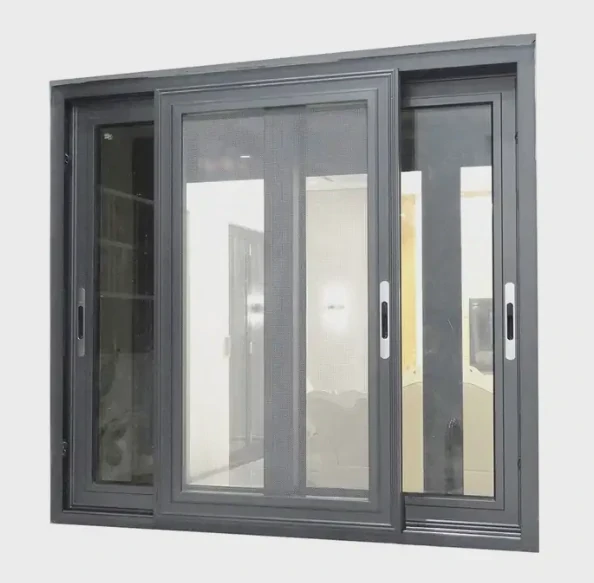
Not all paints are designed for metal surfaces. Choosing the wrong coating can result in bubbling, peeling, fading, or poor weather resistance.
Acrylic latex paints formulated for metal, epoxy-based coatings, and high-quality exterior metal paints generally perform best on aluminum window frames. The ideal choice depends on the location, climate, and desired finish.
Aluminum presents unique challenges because it is non-porous and expands slightly with temperature changes.
Paint must remain flexible while maintaining strong adhesion.
Acrylic Latex Paint
Many homeowners choose acrylic latex paint because it is easy to apply and widely available.
Advantages include:
- Good durability
- Easy cleanup
- Low odor
- UV resistance
- Wide color selection
High-quality exterior acrylic products often provide excellent results on primed aluminum.
Epoxy-Based Coatings
Epoxy coatings are known for exceptional adhesion and durability.
Benefits include:
- Strong chemical resistance
- Excellent wear resistance
- Long service life
These coatings are common in commercial and industrial environments.
However, they may require more careful application than standard acrylic products.
Specialized Metal Paints
Many manufacturers offer paints specifically designed for metal substrates.
Features often include:
- Enhanced adhesion
- Corrosion resistance
- Weather protection
- Flexible finish
These products are often an excellent choice for aluminum window frames.
Spray Paint vs Brush Application
Homeowners often debate whether to spray or brush aluminum frames.
Each method has advantages.
| Method | Benefits |
|---|---|
| Spray application | Smooth finish, faster coverage |
| Brush application | Better control, lower setup requirements |
| Roller application | Efficient for large surfaces |
For small residential projects, brush and roller methods are often sufficient.
Color Selection Considerations
Darker colors absorb more heat than lighter colors.
This may affect:
- Surface temperature
- Thermal expansion
- Long-term paint performance
Popular choices include:
- Black
- Anthracite gray
- White
- Bronze
- Charcoal
Many modern buildings use darker aluminum frame colors because they complement contemporary architectural styles.
Avoid Low-Quality Paint
Budget paints may initially appear attractive due to lower cost.
However, they often provide:
- Reduced UV resistance
- Poor adhesion
- Faster fading
- Shorter lifespan
Investing in quality paint generally produces better long-term value and fewer maintenance requirements.
Why Is Primer Important for Aluminum Surfaces?
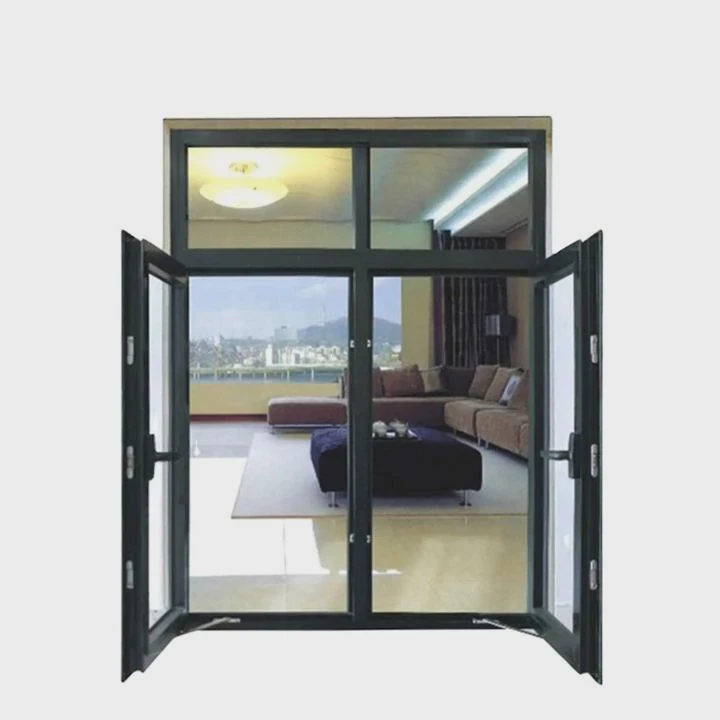
Many people try to save time by applying paint directly to aluminum. This shortcut often causes the coating to fail much sooner than expected.
Primer is important because it creates a strong bond between aluminum and the paint layer. It improves adhesion, increases durability, enhances corrosion resistance, and helps achieve a more uniform finish.
Primer serves as the bridge between the aluminum surface and the final paint coating.
Without this bridge, paint may struggle to adhere properly.
Aluminum Is Naturally Smooth
One challenge with aluminum is its smooth surface.
Smooth surfaces offer fewer mechanical bonding points for paint.
Primer helps solve this issue by creating a compatible surface for the topcoat.
Improved Paint Adhesion
A quality primer allows paint to grip more effectively.
Benefits include:
- Reduced peeling
- Reduced blistering
- Better long-term performance
- Improved finish quality
This is especially important for exterior windows exposed to changing weather conditions.
Corrosion Protection
Although aluminum does not rust like steel, it can still suffer surface degradation.
Specialized primers help:
- Seal the surface
- Reduce oxidation
- Improve moisture resistance
This additional protection contributes to a longer-lasting finish.
Better Color Consistency
Primer also helps create an even base color.
Without primer, the final coat may appear:
- Uneven
- Patchy
- Transparent in some areas
A uniform primer coat allows the paint color to appear more consistent.
Types of Primers for Aluminum
Several primer types work well on aluminum.
Common options include:
| Primer Type | Main Advantage |
|---|---|
| Self-etching primer | Excellent adhesion |
| Acrylic metal primer | Easy application |
| Epoxy primer | Maximum durability |
| Bonding primer | Versatile performance |
Self-etching primers are particularly popular because they chemically interact with the metal surface and create a strong bond.
Why Skipping Primer Often Fails
A friend once decided to repaint aluminum frames using leftover exterior wall paint. The frames looked excellent for a few months. By the following year, sections of paint had begun peeling near the corners and edges.
The issue was not the paint itself. The problem was the lack of primer.
The project eventually had to be repeated from the beginning.
This experience highlights a simple lesson: primer is not an optional step when painting aluminum.
Can Painted Aluminum Frames Resist Weather Exposure?
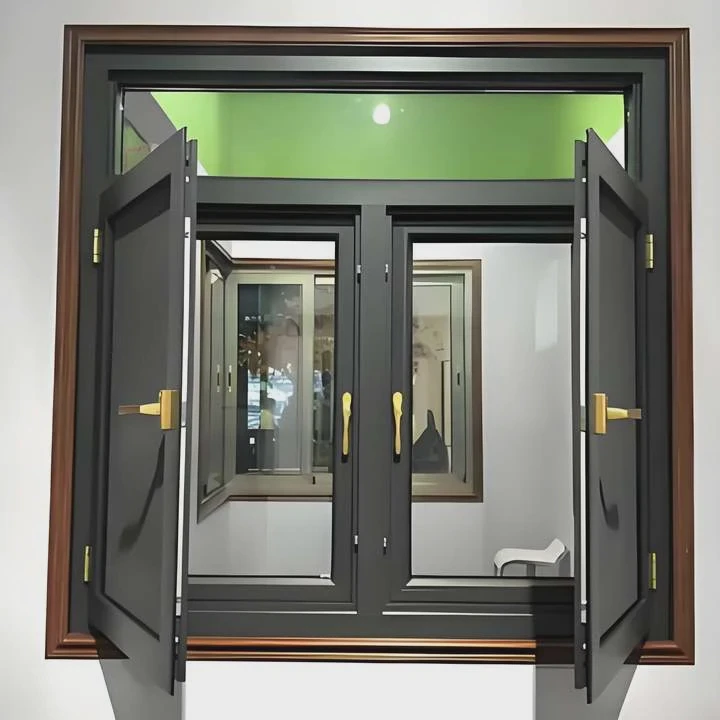
Many property owners worry that rain, sunlight, and temperature changes will quickly damage painted aluminum frames. Durability is often the deciding factor when considering a painting project.
Yes, properly painted aluminum frames can resist weather exposure for many years. Success depends on surface preparation, primer quality, paint selection, and ongoing maintenance. High-quality systems can provide excellent protection against sun, rain, humidity, and temperature fluctuations.
Modern coating systems are designed to withstand harsh outdoor environments.
When applied correctly, painted aluminum can maintain its appearance for a long time.
Resistance to Sunlight
Ultraviolet radiation is one of the biggest threats to exterior coatings.
Quality exterior paints contain UV-resistant ingredients that help reduce:
- Fading
- Chalking
- Color degradation
Premium paints typically maintain their appearance longer than lower-cost alternatives.
Resistance to Rain and Moisture
Water exposure is another major concern.
Properly painted aluminum frames can resist:
- Rain
- Humidity
- Condensation
- Coastal moisture
The combination of primer and paint creates a protective barrier that limits moisture penetration.
Performance in Coastal Areas
Coastal environments are especially challenging.
Factors include:
- Salt spray
- High humidity
- Strong sunlight
- Wind-driven rain
In these locations, high-performance primers and exterior coatings become even more important.
Regular cleaning also helps remove salt buildup that may affect long-term appearance.
Temperature Changes
Aluminum expands and contracts as temperatures change.
Quality coatings are designed to remain flexible enough to accommodate this movement.
This flexibility helps prevent:
- Cracking
- Peeling
- Flaking
Maintenance for Long-Term Performance
Painted aluminum frames require relatively little maintenance.
Simple maintenance tasks include:
- Washing dirt away periodically
- Inspecting damaged areas
- Touching up scratches when needed
These small actions can significantly extend coating life.
Factors Affecting Coating Lifespan
| Factor | Impact on Durability |
|---|---|
| Surface preparation | Very high |
| Primer quality | Very high |
| Paint quality | Very high |
| Climate conditions | Moderate |
| Maintenance | Moderate |
Many professionally coated aluminum window frames maintain an attractive appearance for ten years or longer before requiring significant repainting.
The combination of proper preparation, suitable primer, and high-quality paint creates a finish that performs well even in demanding weather conditions.
Conclusion
Painting aluminum window frames is an effective way to refresh their appearance and extend their service life. Success depends on thorough preparation, the use of a suitable primer, and selecting high-quality paint designed for metal surfaces. When these steps are followed correctly, painted aluminum frames can deliver long-lasting beauty and reliable weather resistance.