Is Aluminium Good for Windows?
- Zhongya Windows
- 11 Jun ,2026
Many property owners worry about window durability, energy costs, and maintenance. Choosing the wrong frame material can lead to expensive repairs and lower comfort over time.
Yes, aluminium is an excellent material for windows. It offers high strength, long-term durability, low maintenance, modern aesthetics, and strong resistance to weather. Modern aluminium windows can also provide excellent thermal performance when equipped with thermal break technology and high-quality glazing.
Many people compare aluminium with uPVC, wood, and other frame materials before making a decision. Each option has strengths and weaknesses. Understanding how aluminium performs in real-world applications helps buyers make a more informed choice.
What Benefits Do Aluminium Window Frames Offer?
Many building owners want windows that look modern while also lasting for many years. Poor-quality frames can warp, crack, or require frequent maintenance.
Aluminium window frames offer strength, slim sightlines, corrosion resistance, low maintenance, and design flexibility. They support larger glass panels and provide a clean, contemporary appearance for residential and commercial buildings.
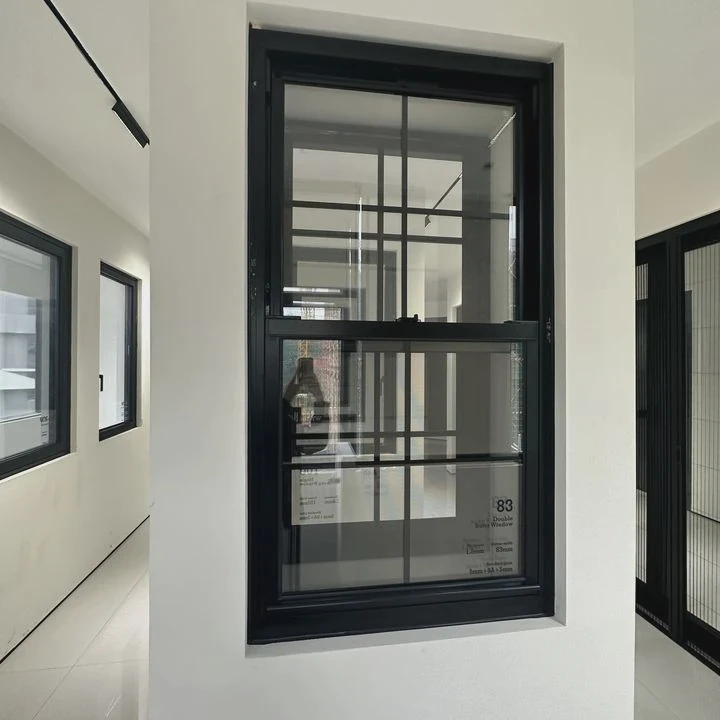
Aluminium has become one of the most popular materials in modern construction. One major reason is its excellent strength-to-weight ratio. Aluminium frames can support large glass panels without requiring bulky frame sections. This creates a sleek appearance and allows more natural light to enter a room.
More Natural Light
Because aluminium is strong, manufacturers can create thinner frames. Thin frames mean larger glass areas.
Benefits include:
| Feature | Advantage |
|---|---|
| Slim frames | More daylight |
| Larger glazing area | Better outside views |
| Modern appearance | Higher visual appeal |
Natural light can improve indoor comfort and reduce daytime electricity use.
Low Maintenance Requirements
Unlike timber windows, aluminium does not require regular painting or staining.
Routine maintenance usually involves:
- Cleaning the frame surface
- Checking seals periodically
- Washing away dirt and dust
This simple maintenance schedule makes aluminium attractive for homeowners and commercial property managers.
Design Flexibility
Aluminium can be manufactured into many shapes and styles.
Common options include:
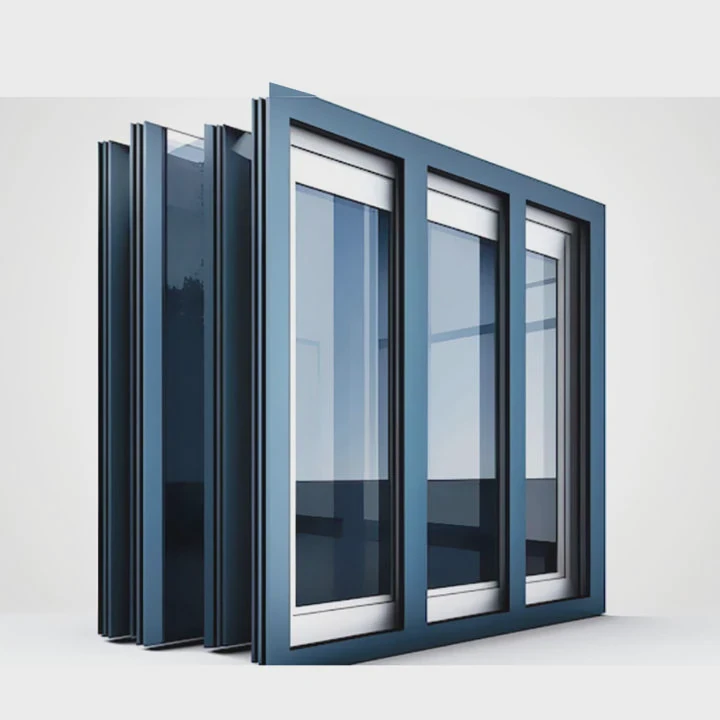
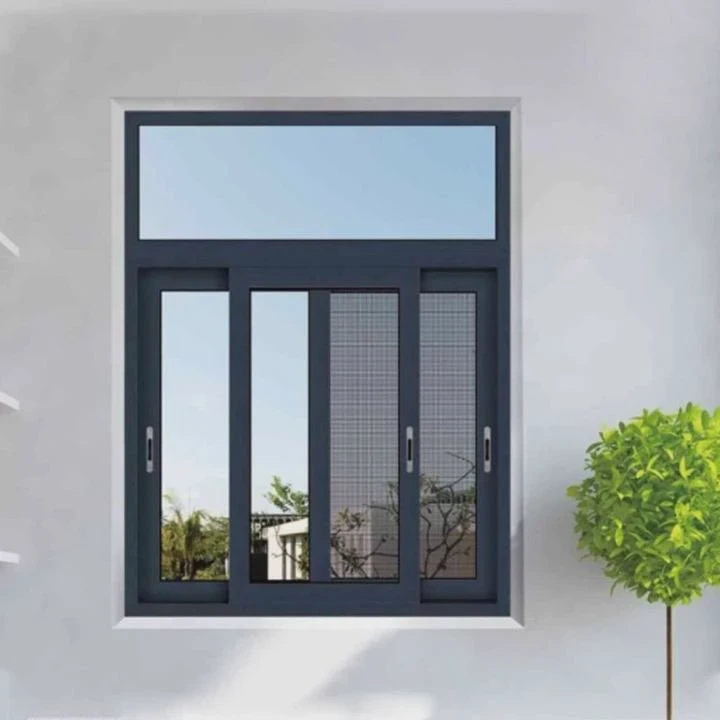
- Sliding windows
- Casement windows
- Awning windows
- Fixed windows
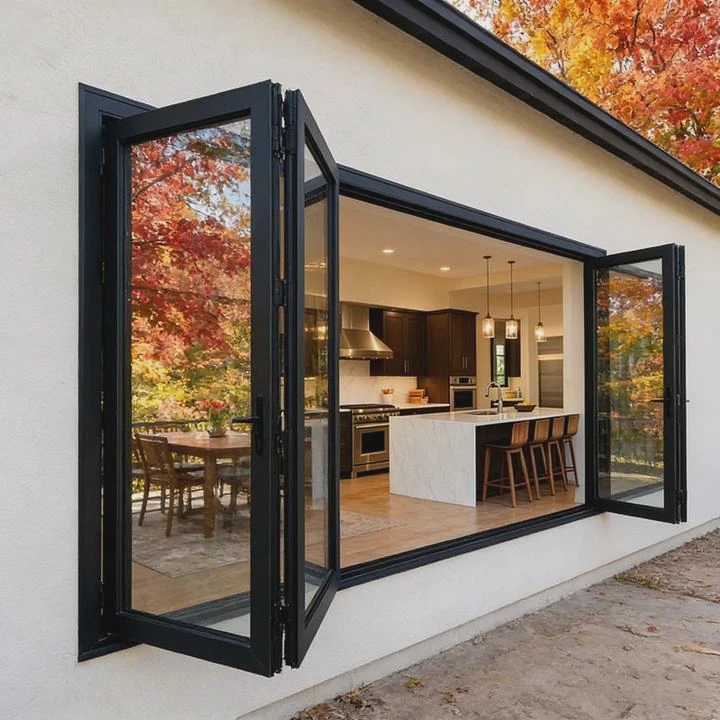
- Folding and bi-fold systems
Manufacturers also offer a wide range of finishes, including powder-coated colors and wood-look finishes.
Corrosion Resistance
Modern aluminium windows are treated with protective coatings. These coatings help resist corrosion caused by rain, humidity, and pollution.
This advantage is especially important in:
- Coastal regions
- Tropical climates
- Urban environments
- Industrial areas
In many projects, aluminium delivers an excellent balance between appearance, performance, and long-term value.
How Durable Are Aluminium Windows Over Time?
Many buyers focus heavily on the initial purchase price. Yet long-term durability often has a much bigger impact on overall ownership costs.
Aluminium windows are highly durable and can last 30 to 50 years or longer with proper maintenance. They resist warping, cracking, rusting, and weather damage better than many alternative window frame materials.
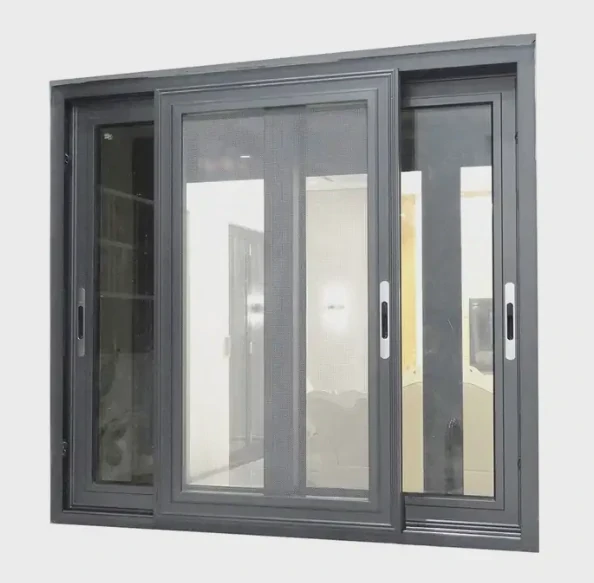
Durability is one of the strongest reasons many architects choose aluminium. Unlike some materials that expand, shrink, or deteriorate over time, aluminium remains structurally stable for decades.
Resistance to Weather Conditions
Windows face constant exposure to:
- Rain
- Sunlight
- Wind
- Temperature changes
Aluminium handles these challenges very well.
Unlike wood, it does not absorb moisture. Unlike some plastics, it does not become brittle as quickly under UV exposure.
Structural Strength
Strong frames help maintain window performance over time.
Aluminium provides:
| Durability Factor | Aluminium Performance |
|---|---|
| Impact resistance | High |
| Warp resistance | Excellent |
| Moisture resistance | Excellent |
| UV resistance | Very good |
| Lifespan | 30–50+ years |
This strength helps keep windows operating smoothly even after years of use.
Coastal Environment Performance
Coastal buildings often face harsh conditions due to salt exposure.
Modern powder-coated or anodized aluminium performs well in these environments when properly specified.
Many hotels, apartments, and commercial buildings near the ocean use aluminium systems because of their durability and corrosion resistance.
Long-Term Cost Benefits
A higher purchase price does not always mean higher lifetime cost.
Over several decades, aluminium can save money through:
- Reduced maintenance
- Fewer repairs
- Longer replacement intervals
- Better structural reliability
Real-World Performance
Many commercial buildings installed aluminium windows decades ago and continue using the original frames today.
A project manager once shared that replacing glass units was occasionally necessary, but the aluminium frames themselves remained structurally sound after many years of service. This type of performance explains why aluminium is common in airports, office towers, schools, and hospitals.
For property owners seeking long-term value, aluminium often proves to be a smart investment.
Why Choose Aluminium Instead of uPVC Windows?
Many homeowners compare aluminium and uPVC because both materials are widely available. Choosing between them depends on budget, appearance, performance, and lifespan expectations.
Aluminium offers greater strength, slimmer frames, longer lifespan, and a more premium appearance than uPVC. While uPVC is often less expensive upfront, aluminium frequently delivers better long-term value and design flexibility.
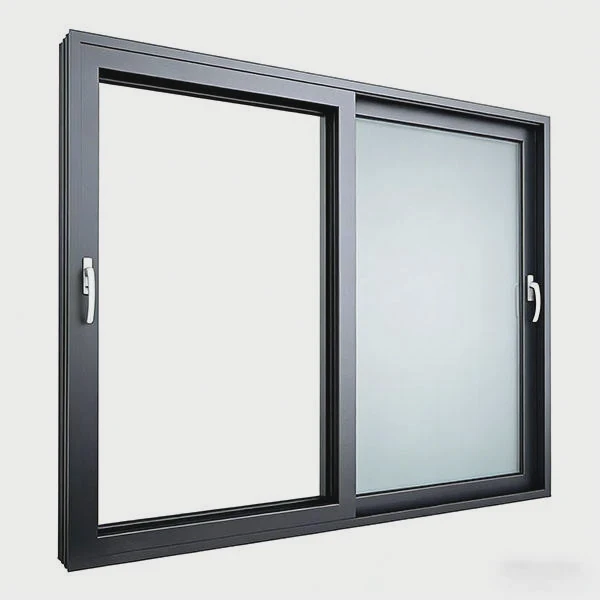
The aluminium versus uPVC debate is common in both residential and commercial construction.
Comparing Appearance
Appearance is often one of the first differences people notice.
Aluminium typically provides:
- Slim sightlines
- Contemporary styling
- Premium finish quality
- Large glass capabilities
uPVC generally has thicker frame profiles because it lacks the same structural strength.
As a result, aluminium often creates a cleaner and more modern appearance.
Comparing Strength
Strength influences both aesthetics and performance.
Aluminium can support:
- Larger windows
- Wider openings
- Heavier glass units
- Tall architectural designs
uPVC performs well for standard residential applications but may require larger frame sections for larger openings.
Comparing Lifespan
Both materials are durable, but aluminium generally lasts longer.
| Comparison Area | Aluminium | uPVC |
|---|---|---|
| Strength | Excellent | Moderate |
| Large glass support | Excellent | Limited |
| Appearance | Premium | Standard |
| Lifespan | 30–50+ years | 20–35 years |
| Maintenance | Low | Low |
| Initial cost | Higher | Lower |
Environmental Considerations
Aluminium is highly recyclable.
Many aluminium products contain recycled material and can be recycled again at the end of their service life.
This contributes to sustainability goals in many construction projects.
Commercial and Residential Use
Commercial projects often favor aluminium because of:
- Structural requirements
- Design flexibility
- Professional appearance
- Long service life
Residential projects may choose either material depending on budget and design preferences.
When uPVC May Be Better
uPVC can be a good option when:
- Budget is the main concern
- Window sizes are standard
- Premium aesthetics are less important
However, many buyers who prioritize durability and appearance eventually select aluminium despite the higher initial investment.
The final decision often depends on balancing upfront cost against long-term performance.
Which Aluminium Window Features Improve Insulation?
Some people still believe aluminium windows are poor insulators. That assumption comes from older window systems that lacked modern thermal technologies.
Modern aluminium windows achieve excellent insulation through thermal breaks, double or triple glazing, low-emissivity coatings, insulated spacers, and high-quality weather seals. These features significantly reduce heat transfer and improve energy efficiency.
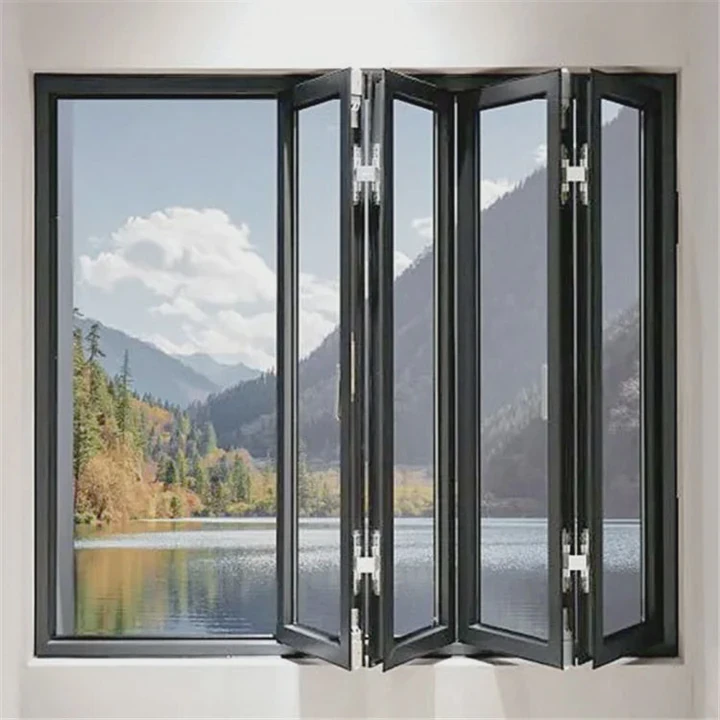
Older aluminium frames conducted heat quickly. As a result, they were less energy efficient than some alternatives.
Modern engineering has changed this situation dramatically.
Thermal Break Technology
Thermal breaks are one of the most important innovations in aluminium window design.
A thermal break creates a barrier between the interior and exterior portions of the frame.
Benefits include:
- Reduced heat transfer
- Better indoor comfort
- Lower energy consumption
- Reduced condensation
Today, high-performance aluminium systems almost always include thermal breaks.
Double and Triple Glazing
Glass plays a major role in window insulation.
Options include:
- Double glazing
- Triple glazing
- Gas-filled glazing units
These systems create insulating air spaces that help reduce heat movement.
Low-E Glass Coatings
Low-emissivity (Low-E) coatings reflect heat while allowing natural light to pass through.
Advantages include:
- Lower cooling costs
- Lower heating costs
- Improved comfort
- Better energy efficiency
Low-E coatings are now common in premium window systems.
Weather Seals and Gaskets
Small air leaks can significantly reduce window performance.
Quality aluminium windows use:
- Multi-point sealing systems
- Compression gaskets
- Durable weather stripping
These features help prevent drafts and moisture infiltration.
Insulation Components Working Together
The best thermal performance comes from combining several technologies.
| Feature | Function |
|---|---|
| Thermal break | Reduces frame heat transfer |
| Double glazing | Improves insulation |
| Triple glazing | Maximizes insulation |
| Low-E coating | Reflects heat energy |
| Quality seals | Reduces air leakage |
Climate-Specific Performance
Different climates require different insulation priorities.
Cold climates often focus on:
- Heat retention
- Condensation reduction
Hot climates often focus on:
- Solar heat reduction
- Cooling efficiency
Modern aluminium window systems can be customized to meet both requirements.
As a result, today’s high-performance aluminium windows can compete effectively with other premium window materials in terms of energy efficiency.
Conclusion
Aluminium is one of the best window frame materials available today. It combines strength, durability, low maintenance, modern design, and excellent long-term value. When paired with thermal breaks and high-performance glazing, aluminium windows also deliver impressive energy efficiency for both residential and commercial buildings.
- Pre Sorry!
- Next: How to Replace Window Glass in Aluminum Frame?